seismic wire, also known as geophones or seismometers, plays a crucial role in detecting and monitoring seismic activity. These devices are essential in understanding earthquakes, as they help scientists and researchers gather valuable data to analyze fault lines, seismic waves, and ground movement.
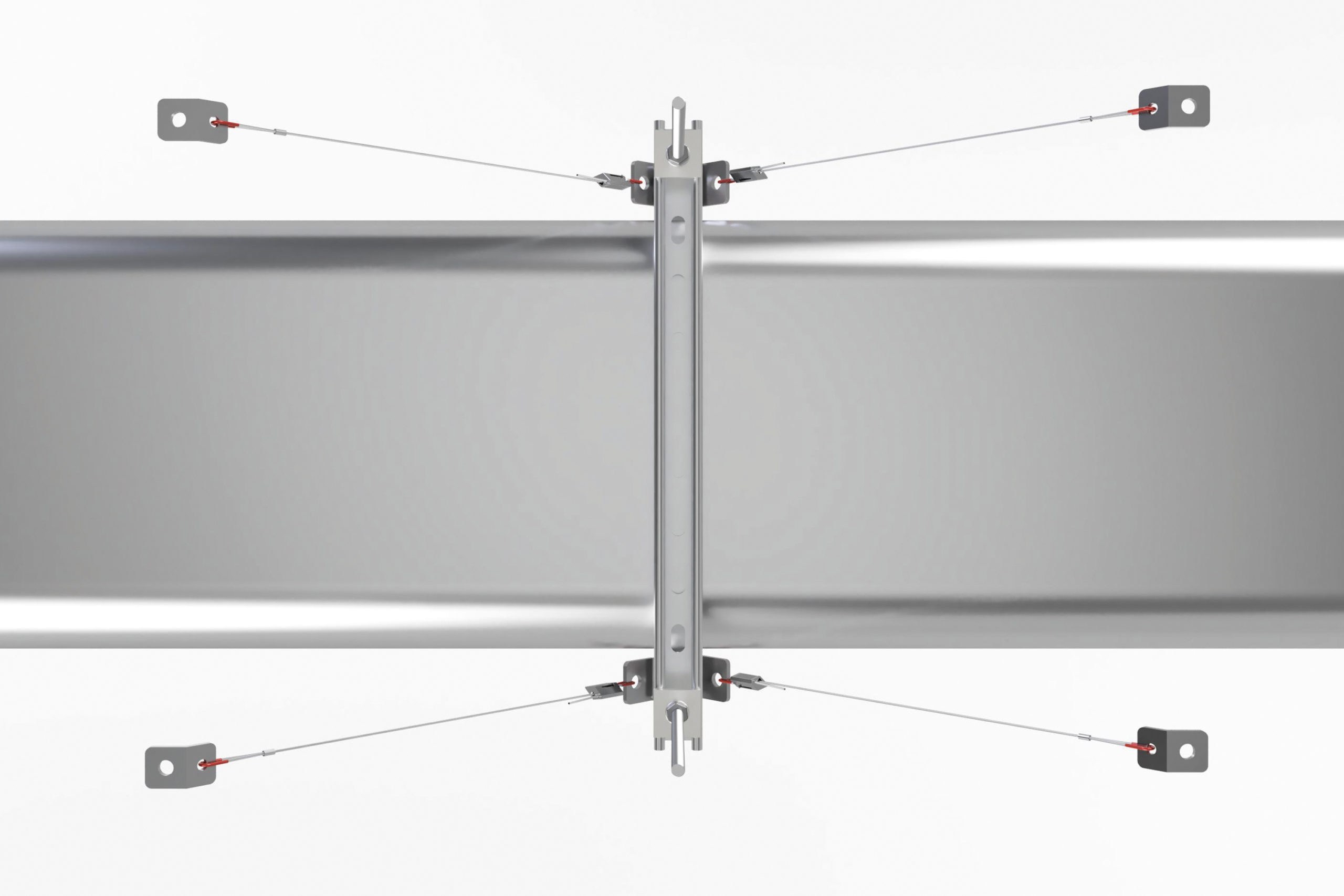
seismic wire is made up of a series of sensors that are connected by wires and buried underground. These sensors can detect even the slightest ground movement caused by an earthquake. Once an earthquake occurs, the sensors pick up the seismic waves and transmit the data to a central recording station.
One of the primary functions of seismic wire is to provide early warning systems for earthquakes. By detecting the initial seismic waves, scientists can issue alerts to warn people in the affected areas. This early warning can give residents valuable seconds or even minutes to take cover and protect themselves from the impending earthquake.
The data collected by seismic wires also helps scientists study the behavior of earthquakes. By analyzing the magnitude, depth, and frequency of seismic events, researchers can better understand the patterns and predict future earthquakes. This knowledge is essential for developing strategies to mitigate the impact of earthquakes on communities and infrastructure.
seismic wire is not only used for earthquake detection but also for monitoring other geological phenomena. For example, these devices can be used to study volcanic activity, landslides, and even the movement of glaciers. By continuously monitoring these natural events, scientists can improve their understanding of the Earth’s processes and make more informed decisions to ensure public safety.
In addition to scientific research, seismic wire is also used in the oil and gas industry. These devices are deployed to monitor underground reservoirs and assess the potential for seismic events caused by drilling activities. By monitoring the seismic activity in these areas, companies can reduce the risk of damaging earthquakes and ensure the safety of their operations.
Seismic wire technology has evolved significantly over the years, with improvements in sensor sensitivity, data processing, and wireless communication. These advancements have made it easier to deploy seismic networks in remote or challenging environments and collect large amounts of data in real-time. With the help of advanced algorithms and machine learning, scientists can now analyze seismic data more efficiently and accurately than ever before.
Despite its importance, seismic wire faces several challenges, such as signal interference, data transmission issues, and high maintenance costs. Scientists are constantly working to improve the reliability and efficiency of seismic networks to overcome these challenges and enhance the accuracy of earthquake detection.
Overall, seismic wire plays a crucial role in earthquake detection and monitoring. These devices have revolutionized our understanding of seismic activity and helped save countless lives by providing early warnings for earthquakes. As technology continues to advance, seismic wire will remain an essential tool for studying earthquakes and mitigating their impact on society.
In conclusion, seismic wire is a vital component of earthquake detection and monitoring systems. Its ability to detect seismic waves and provide early warnings has revolutionized our understanding of earthquakes and saved countless lives. As technology continues to evolve, seismic wire will continue to play a crucial role in studying seismic activity and improving public safety.